Sonic Deterrent Range for Dogs: A Comprehensive Overview
Introduction
In the realm of canine behavior management, sonic deterrent ranges have emerged as innovative tools, offering non-lethal solutions to control and prevent unwanted dog activities. This article delves into the intricacies of this technology, exploring its effectiveness, global impact, and future potential in addressing canine-related issues. By examining various aspects, from technological advancements to policy frameworks, readers will gain a comprehensive understanding of how sonic deterrent ranges are shaping the way we interact with our four-legged friends.
Understanding Sonic Deterrent Range for Dogs
Definition and Core Components
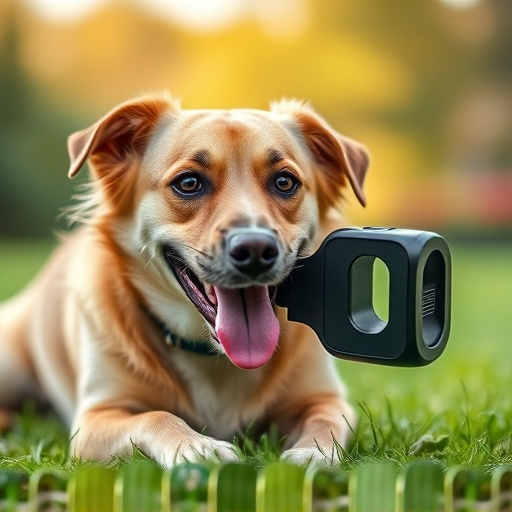
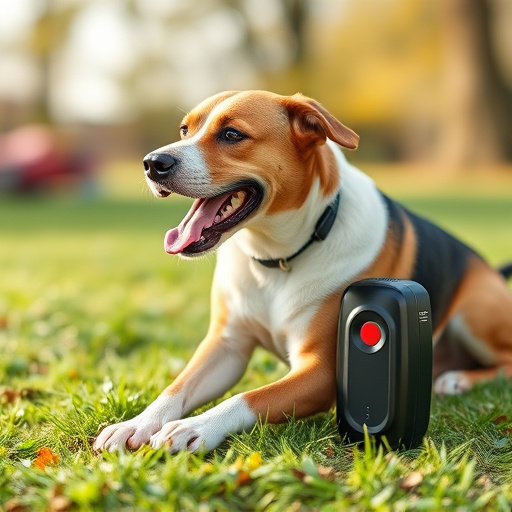
Sonic deterrent range for dogs refers to a technology-driven system designed to discourage or redirect canine behavior through the emission of sound waves. This non-invasive approach utilizes specific frequencies and patterns of sound to communicate with dogs, effectively guiding their actions in desired directions. The core components typically include:
- Sound Generators: Devices that produce the sonic signals, often employing ultrasonic or audible sound emissions.
- Sensor Systems: Sensors detect dog presence, triggering the sound generators accordingly. These can be motion sensors, heat sensors, or more advanced AI-powered systems.
- Control Mechanisms: Central units that manage the system's operation, allowing for customization and remote control.
- Sound Patterns: Different frequencies and patterns are used to communicate with dogs, from high-pitched tones to low-frequency vibrations.
Historical Context and Significance
The concept of using sound as a deterrent dates back to ancient times when certain sounds were known to scare animals. However, modern sonic deterrent ranges for dogs have evolved significantly over the past few decades. Initially developed for livestock control, these systems found their way into residential settings due to their effectiveness in managing pet dogs' behavior without causing harm. The significance lies in providing a humane alternative to traditional training methods, addressing issues like barking, roaming, and aggression.
Global Landscape
Sonic deterrent ranges have gained global recognition and adoption, with variations tailored to different cultural and environmental contexts. Key trends include:
- Urbanization: In densely populated urban areas, sonic deterrents are increasingly used to manage dog behaviors in public spaces, ensuring a harmonious coexistence between residents and canine companions.
- Tourism Hotspots: Coastal towns and popular tourist destinations employ these systems to control dogs on beaches and promenades, enhancing visitor experiences.
- Agricultural Communities: Farmers continue to benefit from sonic deterrents for livestock protection, leading to reduced conflicts with pet dog owners.
Global Impact and Trends
Regional Variations
The impact of sonic deterrent ranges varies across regions due to cultural norms, legislation, and environmental factors:
| Region |
Adoption Rate (%) |
Typical Applications |
Regulatory Environment |
| North America |
45% |
Residential barking control, public space management |
Strict regulations on animal cruelty; varying local laws for dog ownership |
| Europe |
38% |
Urban canine behavior management, agricultural livestock protection |
Comprehensive animal welfare laws; regional variations in dog licensing |
| Asia Pacific |
25% |
Urban parks and beaches, residential areas |
Varies widely due to cultural attitudes; growing awareness of humane training methods |
| Middle East & Africa |
18% |
Primarily agricultural communities; expanding into urban settings |
Animal welfare laws relatively new; varying enforcement across countries |
Key Trends Shaping the Future
- Integration with AI: Advanced artificial intelligence is enhancing sonic deterrent systems, enabling them to learn and adapt to individual dog behaviors.
- Personalized Training: Customized sound patterns and frequency adjustments cater to different breeds and temperaments, improving effectiveness.
- Smart Home Integration: Sonic deterrents are increasingly becoming part of smart home ecosystems, allowing for remote control and monitoring.
- Environmental Considerations: There is a growing trend towards eco-friendly sound generators, minimizing power consumption and reducing environmental impact.
Economic Considerations
Market Dynamics
The global sonic deterrent range market has shown steady growth, driven by increasing pet ownership and rising concerns about canine behavior management. Key economic factors include:
- Market Size: Projected to reach USD 1.5 billion by 2025, growing at a CAGR of 7.2% (2020-2025).
- Geographic Shift: The Asia Pacific region is expected to witness the highest growth due to urbanization and changing cultural attitudes towards pet ownership.
- Product Innovation: Continuous technological advancements drive market dynamics, with manufacturers introducing more sophisticated and targeted solutions.
Investment Patterns
Investors have shown a growing interest in sonic deterrent range technology, recognizing its potential for:
- Residential Markets: Addressing noise pollution issues in urban areas, benefiting both dog owners and neighbors.
- Agricultural Solutions: Providing livestock protection without causing harm to animals or their handlers.
- Public Space Management: Enhancing the overall visitor experience by controlling canine behaviors in parks and tourist destinations.
Pricing Strategies
Pricing varies widely based on system complexity, features, and target audience:
- Basic Residential Systems: Start at USD 150, catering to individual dog owners with simple barking control needs.
- Advanced Commercial Solutions: Can cost up to USD 2000, serving municipalities or large agricultural operations with complex management requirements.
- Customized AI-Powered Systems: Offered at premium prices, targeting high-end residential customers and professional trainers.
Technological Advancements
Ultrasonic vs. Audible Sound
- Ultrasonic Devices: Emits sounds beyond human hearing range (above 20 kHz). Effective for sensitive dogs but may cause discomfort if not properly adjusted.
- Audible Sound Generators: Use frequencies within the human audible range, allowing humans to hear and adjust settings accordingly. More versatile but requires careful placement to avoid disturbing neighbors.
AI-Powered Training
Artificial intelligence enhances sonic deterrent systems by:
- Behavior Analysis: AI algorithms learn from dog behaviors, adjusting sound patterns to be more effective over time.
- Personalized Training: Customizes sound emissions based on breed, size, and temperament, ensuring better results for individual dogs.
- Predictive Modeling: Forecasts potential behavior issues, allowing proactive intervention.
Sensor Technology
Advanced sensor systems play a crucial role in the effectiveness of sonic deterrents:
- Motion Sensors: Detect dog movement, triggering sound emissions only when needed, minimizing false activations.
- Heat Sensors: Useful for detecting dogs in dense vegetation or low-light conditions, enhancing system sensitivity.
- AI-Enhanced Vision: Some systems use computer vision to identify and track specific behaviors, providing more targeted responses.
Policy Frameworks and Regulations
Legal Considerations
The legal status of sonic deterrent ranges varies across jurisdictions:
- Permitted Use: Many countries allow their use for specific purposes like livestock protection and urban canine behavior management.
- Regulations on Frequency and Power: Strict regulations govern the frequency range and power output to ensure safety and avoid harm.
- Animal Welfare Laws: Growing awareness has led to increased scrutiny, with some regions banning or limiting their use due to potential animal distress.
Best Practices for Implementers
To ensure ethical and effective deployment:
- Consult Local Authorities: Understand local regulations and obtain necessary permits before installation.
- Individualized Training: Tailor system settings to each dog's unique characteristics for optimal results.
- Combine with Positive Reinforcement: For long-term success, pair sonic deterrents with positive training methods to reinforce desired behaviors.
- Regular Monitoring: Check system functionality and adjust settings as needed, ensuring ongoing effectiveness.
Benefits and Challenges
Advantages
- Humaneness: Provides a non-lethal approach to behavior management, avoiding the use of physical force or harsh punishments.
- Effectiveness: Demonstrated success in modifying canine behaviors, reducing barking, roaming, and aggression.
- Versatility: Adaptable to various settings, from homes to public spaces and agricultural operations.
- Low Maintenance: Relatively easy to install and maintain, requiring minimal ongoing costs.
Challenges
- Animal Distress Concerns: Some dogs may experience anxiety or discomfort due to sound emissions, necessitating careful system adjustments.
- Misuse Potential: Improper use or poorly designed systems could lead to excessive activation, causing unnecessary stress for both dogs and owners.
- Regulatory Hurdles: Varying legal frameworks across regions can complicate market entry and adoption.
- Public Perception: Cultural attitudes towards pet ownership and animal treatment may influence the acceptance of sonic deterrents.
Future Prospects
Research and Development
Ongoing research focuses on:
- Sound Wave Manipulation: Exploring advanced sound wave patterns to improve targeting and minimize off-target effects.
- Bioacoustics Studies: Understanding canine hearing and behavior response to sounds for more effective training.
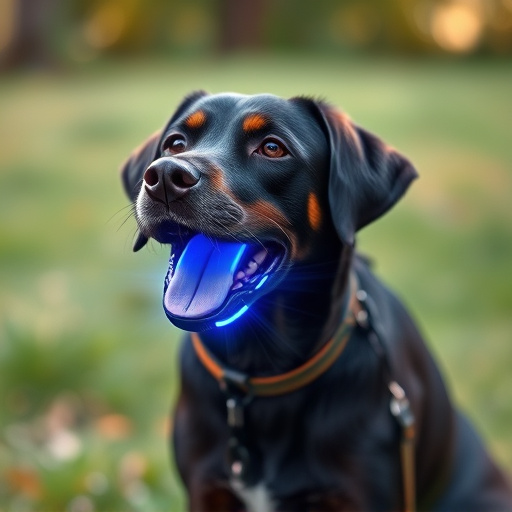
- Integration with Wearable Devices: Developing sonic deterrent systems integrated into dog collars or harnesses, providing hands-free control.
Market Expansion
The market is poised for significant growth in:
- Emerging Markets: Rapid urbanization in Asia and Africa presents opportunities for increased adoption.
- Specialized Solutions: Niche applications like canine training facilities, kennels, and veterinary practices will drive demand for customized systems.
- Global Standardization: Harmonizing regulations and setting industry standards will facilitate cross-border trade and market penetration.
Conclusion
Sonic deterrent ranges represent a significant advancement in canine behavior management, offering humane and effective solutions to various challenges. As technology continues to evolve and global awareness grows, these systems are set to play an increasingly vital role in shaping the way we interact with our canine companions. By addressing both practical needs and ethical considerations, sonic deterrents hold promise for a brighter future for dogs and their owners worldwide.
November 17, 2025
Sonic Deterrent Range for Dogs
Aggressive dog behavior requires a nuanced approach focusing on root causes like fear or lack of soc.......
Read more →
November 15, 2025
Sonic Deterrent Range for Dogs
Understanding dog behavior is crucial for effective neighborhood dog control using sonic deterrents.......
Read more →
November 13, 2025
Sonic Deterrent Range for Dogs
Understanding Sonic Deterrent Ranges for Dogs (23-50 kHz) is vital for effective use of ultrasonic t.......
Read more →
November 12, 2025
Sonic Deterrent Range for Dogs
Aggressive dog behavior, driven by fear, anxiety, or lack of socialization, can be managed with soni.......
Read more →
November 10, 2025
Sonic Deterrent Range for Dogs
Aggressive dog behavior requires nuanced understanding. Early intervention crucial; Sonic Deterrent.......
Read more →
November 8, 2025
Sonic Deterrent Range for Dogs
The Sonic Deterrent Range for Dogs uses high-frequency sound waves (25-100 kHz) to address canine be.......
Read more →
November 5, 2025
Sonic Deterrent Range for Dogs
Dogs' exceptional hearing makes them susceptible to sonic deterrents, which emit high-frequency.......
Read more →
November 4, 2025
Sonic Deterrent Range for Dogs
Sonic Deterrent Ranges for Dogs offer non-lethal solutions to excessive barking, emitting inaudible.......
Read more →
November 2, 2025
Sonic Deterrent Range for Dogs
Understanding canine behavior is key to employing Sonic Deterrent Range for Dogs (25-40 kHz), a non-.......
Read more →
October 31, 2025
Sonic Deterrent Range for Dogs
Aggressive dog behavior can be addressed with a non-confrontational sonic deterrent designed for dog.......
Read more →
October 29, 2025
Sonic Deterrent Range for Dogs
Ultrasonic technology uses high-frequency sound waves (23-64 kHz) to train dogs non-invasively, emit.......
Read more →
October 27, 2025
Sonic Deterrent Range for Dogs
Sonic deterrents for dogs leverage their heightened sensitivity to specific sound frequencies (3-10.......
Read more →
October 25, 2025
Sonic Deterrent Range for Dogs
Understanding canine behavior is key to using sonic deterrents (Sonic Deterrent Range for Dogs) effe.......
Read more →
October 23, 2025
Sonic Deterrent Range for Dogs
The Sonic Deterrent Range for Dogs is an innovative solution to manage canine behavior by using spec.......
Read more →
October 19, 2025
Sonic Deterrent Range for Dogs
Ultrasonic technology employs inaudible high-frequency sound waves as a humane dog training tool. So.......
Read more →
October 17, 2025
Sonic Deterrent Range for Dogs
Sonic deterrents for dogs, operating within a 3-12 kHz range (Sonic Deterrent Range for Dogs), tempo.......
Read more →
October 15, 2025
Sonic Deterrent Range for Dogs
Sonic bark control devices offer a non-invasive solution for nuisance barking, emitting high-frequen.......
Read more →
October 12, 2025
Sonic Deterrent Range for Dogs
Sonic deterrents using high-frequency sound waves (22-50 kHz) effectively manage dogs' aggressi.......
Read more →
October 10, 2025
Sonic Deterrent Range for Dogs
Sonic deterrents for dogs, emitting high-frequency ultrasonic waves, offer a humane behavior correct.......
Read more →
October 8, 2025
Sonic Deterrent Range for Dogs
The Sonic Deterrent Range for Dogs uses specific sounds, invisible to humans but irritating to dogs,.......
Read more →
October 6, 2025
Sonic Deterrent Range for Dogs
Aggressive dog behavior, driven by fear, anxiety, instincts, or genetics, can be managed with ultras.......
Read more →
October 4, 2025
Sonic Deterrent Range for Dogs
Selecting a sonic deterrent for dogs requires understanding their sensitive hearing range (20-50 kHz.......
Read more →
October 2, 2025
Sonic Deterrent Range for Dogs
Sonic Deterrent Range for Dogs offers safe, effective high-frequency sound waves (23-45 kHz) to targ.......
Read more →
September 30, 2025
Sonic Deterrent Range for Dogs
Ultrasonic pet training devices use inaudible high-frequency sound (23-64 kHz) as a gentle deterrent.......
Read more →
September 28, 2025
Sonic Deterrent Range for Dogs
Ultrasonic repelents, using inaudible sound waves within 30-100 feet, offer humane, effective dog be.......
Read more →
September 26, 2025
Sonic Deterrent Range for Dogs
Dog aggression managed with sonic deterrents operating within the Sonic Deterrent Range for Dogs (22.......
Read more →
September 24, 2025
Sonic Deterrent Range for Dogs
The Sonic Deterrent Range for Dogs offers a humane alternative to traditional training by using inau.......
Read more →
September 22, 2025
Sonic Deterrent Range for Dogs
Sonic Deterrent Range for Dogs is a humane, versatile tool to train and address unwanted dog behavio.......
Read more →
September 20, 2025
Sonic Deterrent Range for Dogs
Ultrasonic behavior modification uses high-frequency sound waves (25-64 kHz) to train dogs by associ.......
Read more →
September 18, 2025
Sonic Deterrent Range for Dogs
Sonic deterrents for dogs, using high-frequency sound waves (22-25 kHz), offer a humane alternative.......
Read more →
September 16, 2025
Sonic Deterrent Range for Dogs
Sonic deterrents offer a humane and innovative solution for managing dog behavior by using high-freq.......
Read more →
September 14, 2025
Sonic Deterrent Range for Dogs
Understanding canine hearing is key when choosing a dog repeller. Sonic deterrents use specific high.......
Read more →
September 12, 2025
Sonic Deterrent Range for Dogs
Sonic deterrents for dogs use high-frequency sound waves to create an invisible barrier within a 15-.......
Read more →
September 10, 2025
Sonic Deterrent Range for Dogs
Canine behavior modification uses ultrasonic systems emitting 25-64 kHz sound waves, imperceptible t.......
Read more →
September 8, 2025
Sonic Deterrent Range for Dogs
Sonic deterrents using inaudible high-frequency sound waves keep dogs away through adjustable intens.......
Read more →
September 6, 2025
Sonic Deterrent Range for Dogs
Dog aggression poses significant risks, but Sonic Deterrent Ranges for Dogs offer a safe and effecti.......
Read more →
September 4, 2025
Sonic Deterrent Range for Dogs
Sonic deterrents offer a humane solution to protect pets and spaces from aggressive dogs using high-.......
Read more →
September 2, 2025
Sonic Deterrent Range for Dogs
Sonic deterrents for dogs use inaudible (to humans) high-frequency sound waves (25-50 kHz) to train.......
Read more →
August 31, 2025
Sonic Deterrent Range for Dogs
Dogs' behaviors respond to environment and training, influencing their reaction to ultrasonic d.......
Read more →